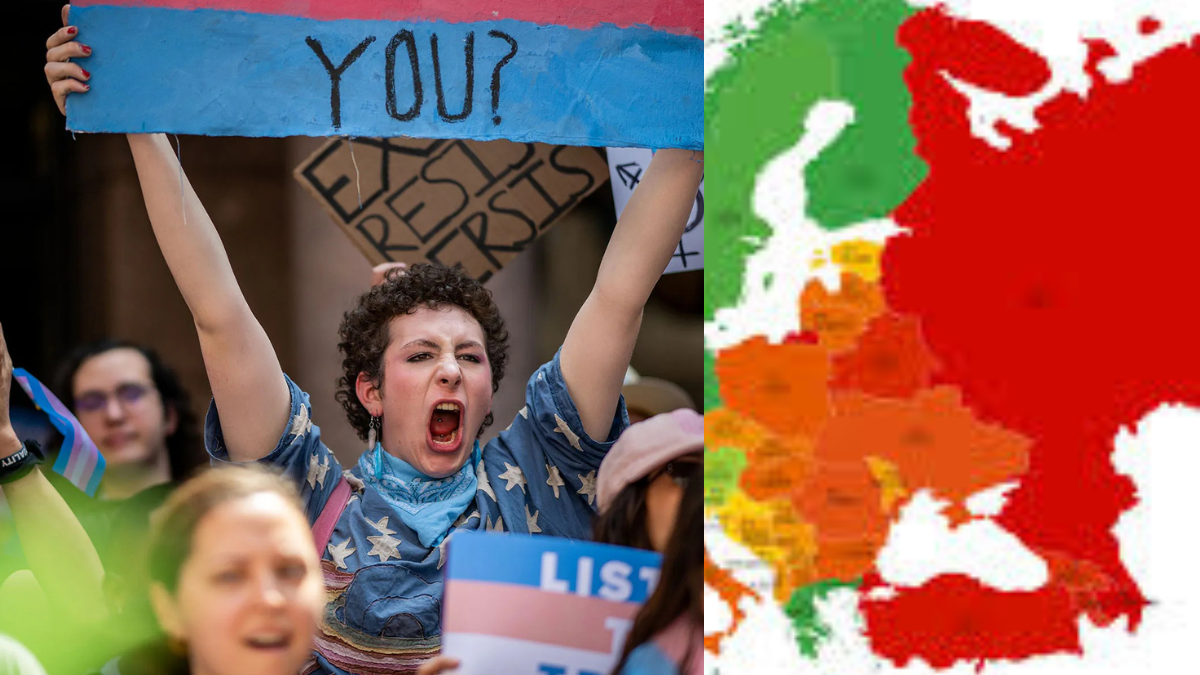
Global LGBTQ+ Rights Report 2026:: Get key insights from the 2025 Global Human Rights Report detailing how U.S. policy shifts are impacting LGBTQ+ rights worldwide. Learn the findings, regional impacts, and how to take action.
The latest annual Global Human Rights Report presents a stark warning: the international framework protecting LGBTQ+ rights is under severe threat, with U.S. foreign policy playing a central role in its erosion. This comprehensive analysis for 2025 documents a deliberate retreat from advocating for sexual orientation and gender identity protections worldwide, marking a significant reversal from previous decades. The report underscores a worrying trend where democratic backsliding and the rise of authoritarian alliances are directly enabling renewed discrimination and violence against LGBTQ+ communities across multiple continents.
How the 2025 Report Documents the Erosion of LGBTQ+ Protections
The findings are based on meticulous documentation by human rights researchers across over 100 countries. The methodology includes firsthand testimonies, legal analysis, and tracking of diplomatic initiatives at the United Nations and other international bodies.
A Shift in U.S. Diplomatic Posture
For years, the United States was a leading voice in introducing and supporting LGBTQ+ rights resolutions in international forums. The 2025 report details a systematic dismantling of this stance.
- Funding Withdrawals: Critical funding for global HIV/AIDS programs and grassroots LGBTQ+ advocacy groups has been slashed or eliminated.
- Treaty Withdrawals: The U.S. has exited numerous UN human rights agreements, often citing opposition to so-called “gender ideology.”
- Policy Instrumentalization: The expansion of the Mexico City Policy to prohibit global health assistance to organizations that even discuss gender identity has had a devastating ripple effect.
The Direct Correlation Between Democratic Decline and LGBTQ+ Vulnerability
The report establishes a clear link: where democratic institutions are weakened, minority rights are among the first casualties. This “autocratic playbook” involves:
- Scapegoating LGBTQ+ individuals to consolidate political power.
- Passing laws that restrict assembly, expression, and recognition.
- Silencing civil society organizations that provide support and advocacy.
Regional Impacts Highlighted in the Global Rights Assessment
The global report breaks down the exacerbated crises in specific regions, often where U.S. diplomatic pressure has lessened or tacit support for authoritarian regimes has increased.
Eastern Europe & Central Asia: Legalized Persecution
In nations like Hungary and Russia, close relationships with the current U.S. administration have seemingly emboldened aggressive anti-LGBTQ+ legislation.
- Hungary: Parliament banned Pride marches and public LGBTQ+ events in 2025, imposing heavy fines and employing facial recognition technology against attendees.
- Russia: The designation of the “international LGBT movement” as “extremist” has led to prison sentences. Citizens have been prosecuted for displaying rainbow flags or social media posts about equality.
Other Global Flashpoints
The chilling effect is global. The report notes regressive actions in countries from Africa to Asia, where local leaders cite the changing U.S. position to justify their own discriminatory laws, cutting off vital international condemnation.
Key Dates, Findings, and How to Access the Full Report
Staying informed requires accessing primary sources. Here is a step-by-step guide to reviewing the report’s findings yourself.
Step-by-Step: Accessing and Navigating the Official Report
- Visit the Official Source: Go to the Human Rights Watch (HRW) official website to ensure you are viewing the unaltered document.
- Locate the Annual Report Section: Navigate to “Reports” > “Annual Reports” and select the 2025 World Report.
- Use the Interactive Features: The digital report often includes an interactive country index. Click on specific nations to see detailed entries.
- Review Thematic Chapters: Read the overarching essay and the dedicated chapter on the United States for context on foreign policy impacts.
- Download for Reference: PDF versions are typically available for download and offline study.
Critical Timelines and Deadlines for Advocacy
- Report Publication Date: January 2025 (Annual release each January).
- UN Human Rights Council Sessions: The report is used as evidence in sessions held in March, June, and September.
- Universal Periodic Review (UPR) Cycles: Various countries under scrutiny in the report will have their UPRs at the UN—key moments for applying diplomatic pressure.
Pathways to Action and Post-Report Advocacy
Understanding the report is only the first step. Concrete action is needed to counter the trends it documents.
Supporting Sustained Human Rights Work
The organizations documenting these abuses need public support.
- Financial Support: Donate to international human rights monitors like HRW, Amnesty International, and ILGA World.
- Grassroots Backing: Contribute to local LGBTQ+ organizations in affected countries, which are on the front lines.
- Digital Advocacy: Use verified information from the report to engage in informed online discourse.
Engaging with Political Representatives
Citizens in democracies can hold their governments accountable.
- Demand Diplomatic Prioritization: Urge your representatives to publicly affirm support for LGBTQ+ rights in foreign policy and funding.
- Support Asylum Seekers: Advocate for robust asylum policies for those fleeing LGBTQ+ persecution, as documented in the report.
- Request Transparency: Call for hearings on the human rights impacts of withdrawn funding and treaties.
Table: Regional Overview of Key Findings from the 2025 Report
| Region | Country Example | Key Anti-LGBTQ+ Action in 2025 | International Context |
|---|---|---|---|
| Europe | Hungary | Constitutional ban on Pride events; fines for participants. | Close political ally of U.S. administration. |
| Eurasia | Russia | Prison sentences for “involvement” in “extremist” LGBT movement. | U.S. diplomatic criticism notably absent. |
| Africa | Multiple Nations | “Promotion” laws used to arrest activists; rise in state-sponsored rhetoric. | U.S. global health policy restrictions limit LGBTQ-inclusive aid. |
| Americas | United States | Domestic rollbacks on transgender rights signal permissibility internationally. | Source of foreign policy shift enabling global regression. |
Frequently Asked Questions (FAQ)
Q1: Is the Human Rights Watch report considered credible?
A: Yes. HRW is one of the world’s leading independent international organizations dedicated to defending human rights. Its research methodology is rigorous, involving on-the-ground investigation, corroborated testimony, and legal analysis, making its annual reports a cornerstone of human rights documentation.
Q2: How does U.S. domestic policy affect LGBTQ+ rights abroad?
A: Domestic policy shifts, such as rolling back transgender protections, send a powerful signal to authoritarian regimes. It provides them with political cover to argue that their own discriminatory laws are legitimate, not human rights violations, and can lead to direct cuts in U.S. funding that supports LGBTQ+ communities overseas.
Q3: What is the “Mexico City Policy” and how is it related?
A: Often called the “Global Gag Rule,” it traditionally barred U.S. global health aid to groups providing abortion services. In 2025, it was expanded to include organizations that “promote gender ideology,” effectively forcing global health providers to abandon LGBTQ+ inclusive education and services or lose all U.S. funding.
Q4: Can individuals outside the U.S. make a difference?
A: Absolutely. Citizens worldwide can pressure their own governments to fill the leadership void, increase their humanitarian funding, speak out in international forums, and offer asylum to those persecuted. Global public opinion and diplomatic pressure remain crucial tools.
Q5: Where is the situation for LGBTQ+ people getting worse?
A: The report highlights significant regression in Hungary, Russia, and several countries in Africa and the Middle East. However, the central theme is a global democratic recession that creates a permissive environment for discrimination, meaning setbacks can emerge quickly in many regions.
Q6: What is the single biggest takeaway from the 2025 report?
A: That human rights protections are fragile and interconnected. The deliberate undermining of international systems and norms by powerful states like the U.S. has a direct, catastrophic impact on the safety and dignity of vulnerable populations, including LGBTQ+ individuals, worldwide.
Contact & Official Links:
- Human Rights Watch Main Website: https://www.hrw.org
- Direct Link to 2025 World Report: https://www.hrw.org/world-report/2025
- Media & General Inquiries: Check the “Contact Us” section of the HRW website for regional office information.