Human Rights Violation: U.S. Military Accused of Killing Shipwrecked Survivors in Caribbean Drug Strike
What Happened: The Alleged 2025 Caribbean Incident
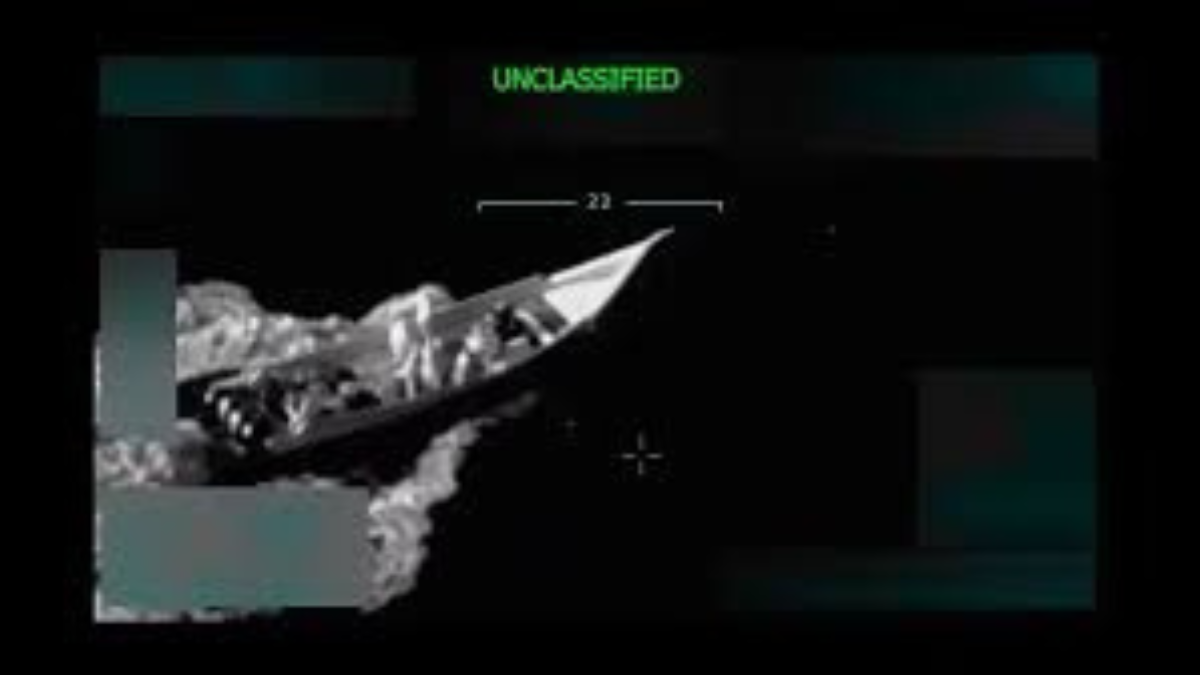
In September 2025, a U.S. military operation targeting a suspected drug smuggling vessel in Caribbean waters reportedly escalated into what legal experts describe as a grave human rights violation. According to investigative reports from multiple news organizations, American special forces allegedly killed two shipwrecked survivors who were clinging to the wreckage of their boat after an initial strike.
The incident began when U.S. surveillance aircraft tracked a vessel suspected of transporting drugs. Intelligence analysts reportedly grew confident that the 11 people aboard were involved in drug trafficking. What followed has raised serious legal and ethical questions about the operation’s conduct and the orders that governed it.
The Controversial Orders That May Constitute War Crimes
Defense Secretary’s Reported “Kill Everyone” Directive
Multiple sources indicate that Secretary of Defense Pete Hegseth issued a verbal order prior to the operation with a chilling directive: “kill everybody” aboard the targeted vessel. This command, reportedly issued to ensure no survivors, established a framework that experts say violates fundamental principles of international law.
The Second Strike on Defenseless Survivors
After the initial attack, two survivors were reportedly found clinging to the smoldering wreckage. Rather than rescuing or capturing these defenseless individuals, Admiral Frank M. “Mitch” Bradley allegedly ordered a second strike to comply with the Secretary’s directive. The justification provided was that the survivors remained legitimate targets because they might theoretically contact other traffickers for rescue.
This decision to attack shipwrecked persons forms the core of the alleged human rights violation, as international law explicitly protects those rendered helpless in water.
International Law: How This Constitutes a Human Rights Violation
Violation of the Right to Life Under Human Rights Law
International human rights law establishes strict limitations on when states may use lethal force. The United Nations Basic Principles on the Use of Force and Firearms permit deadly force only:
- In self-defense or defense of others against imminent threat of death or serious injury
- To prevent particularly serious crimes involving grave threat to life
- To arrest individuals presenting such danger who are actively resisting
- When less extreme measures are insufficient
The shipwrecked survivors, clinging to wreckage and completely defenseless, posed no imminent threat to U.S. forces. Their killing therefore constitutes what international law terms an “arbitrary deprivation of life” — legally classified as an extrajudicial killing.
Even Under Laws of War, This Would Be Illegal
Human rights experts note that even if the flawed argument of an “armed conflict” with drug cartels were accepted, the action would still violate international humanitarian law through:
1. Denial of Quarter Violation: Ordering no survivors directly contravenes the fundamental prohibition against denying quarter (refusing to spare those who surrender or are incapacitated).
2. Attack on Hors de Combat Persons: Shipwrecked individuals are specifically protected as “hors de combat” (out of combat) under the Geneva Conventions. Attacking them constitutes a grave breach of international law.
3. Superior Orders Provide No Defense: Following such clearly illegal orders offers no legal protection to those who carry them out.
Historical Precedents: Similar Cases Deemed War Crimes
The Llandovery Castle Case (1921)
After World War I, Germany’s Imperial Court convicted naval officers for firing on survivors of the hospital ship Llandovery Castle. The court established that killing shipwrecked persons violated “the law of nations” and that superior orders provided no defense for such manifestly unlawful actions.
The Peleus Trial (1945)
A British military court convicted German U-boat commander Heinz Eck and his crew for machine-gunning survivors of the Greek ship Peleus. The court emphasized that “it must have been obvious to the most rudimentary intelligence” that such orders were unlawful.
Both historical cases directly parallel the alleged 2025 incident and demonstrate how international law has long prohibited attacks on shipwrecked survivors.
Legal Consequences for Those Involved
Individual Criminal Responsibility
Service members who followed allegedly unlawful orders could face:
- Court-martial under the Uniform Code of Military Justice
- Federal murder charges
- Potential prosecution in other countries under universal jurisdiction principles
The Duty to Disobey Illegal Orders
U.S. military regulations explicitly require service members to refuse clearly illegal orders. The Department of Defense Law of War Manual specifically identifies “orders to fire upon the shipwrecked” as a paradigmatic example of commands that must be refused.
Command Responsibility
Senior officials who issue unlawful orders bear significant responsibility. The principle of command responsibility holds that superiors may be criminally liable for crimes committed by subordinates if they knew or should have known about them and failed to prevent or punish them.
Broader Implications: Why This Matters Beyond One Incident
Erosion of International Norms
Tolerating such violations weakens the legal frameworks that protect all military personnel. If the U.S. disregards protections for shipwrecked persons, it undermines the norms that would protect American service members in similar circumstances.
Damage to U.S. Moral Authority
Allegations of extrajudicial killings significantly harm international perception of the United States, complicating diplomatic relations and providing adversaries with powerful propaganda material.
Risk to Service Members
Unlawful orders place service members in impossible positions — facing potential criminal liability whether they obey or disobey. This undermines military discipline and places individual personnel at legal risk.
The Path Forward: Accountability and Prevention
Independent Investigation Imperative
Legal experts emphasize the need for transparent, independent investigation to establish facts, determine responsibility, and ensure accountability. Such investigations should examine both the specific incident and the broader policies that may have enabled it.
Policy Review and Reform
The incident highlights potential flaws in rules of engagement, targeting procedures, and oversight mechanisms. Comprehensive policy review could prevent similar violations in future operations.
Reinforcement of Legal Training
Strengthening law of armed conflict training at all command levels could help prevent recurrence by ensuring personnel recognize and refuse unlawful orders.
Conclusion: A Clear-Cut Human Rights Violation
Based on established international law and historical precedent, the alleged killing of shipwrecked survivors in the 2025 Caribbean operation constitutes a clear human rights violation. The reported “kill everyone” order and its implementation violate:
- The fundamental right to life under international human rights law
- Protections for hors de combat persons under humanitarian law
- The prohibition against denial of quarter, a centuries-old norm of civilized warfare
If accurately reported, these actions represent not merely policy disagreements but violations of binding legal obligations. The situation demands rigorous investigation, appropriate accountability, and systemic reforms to prevent recurrence and uphold the legal and ethical standards expected of all nations, particularly those with global military responsibilities.
The international community, legal experts, and human rights organizations continue to monitor developments in this case, recognizing its significance for the future application of international law in military operations worldwide.